
Interview preparation works best when it feels like a clear process instead of a last-minute scramble. Start by learning what the role truly needs, then shape your stories, questions, and examples around those needs. When you know why you want the job and what value you offer, anxiety usually drops because you are no longer guessing what to say.
Confidence also grows from repetition and small habits. Practice speaking your answers out loud, review your body language, and plan a calm routine for the day before the interview. Even a few focused sessions can turn scattered nerves into steady energy, helping you sound prepared, attentive, and easy to work with when it matters most.
Study the role before you practice
Begin with the job description and pull out the skills, tools, and outcomes the employer repeats. Then visit the company website, recent news, and the team or product pages to understand the business context. This research gives your answers more precision, helps you ask better questions, and keeps you from sounding generic when the conversation turns specific.
Map your experience to their needs
Once you know what the employer values, match each requirement to a real example from your background. If they want teamwork, choose a story about collaboration; if they want problem solving, pick a moment when you handled a difficult issue. This simple mapping makes preparation easier because every answer supports a clear message about fit and readiness.
Practice answers without memorizing scripts
Common interview questions usually fall into a few patterns: tell me about yourself, why this role, strengths, weaknesses, achievements, and challenging situations. Write brief bullet points for each answer instead of full paragraphs, then speak naturally from those notes. That approach keeps your language flexible, prevents robotic delivery, and helps you adapt when the interviewer changes direction.
Behavioral questions deserve special attention because they reveal how you work under pressure. Use a simple structure like situation, task, action, and result to keep your responses organized. Focus on what you did, what changed, and what you learned, since employers often care as much about judgment and reflection as they do about the final outcome.
Explain strengths and weaknesses with honesty
When interviewers ask about strengths, choose qualities that matter for the role and prove them with evidence. Instead of saying you are a hard worker, describe a time you managed several deadlines and still delivered accurate results. Strong answers feel believable because they connect a trait to a real action, which makes your value easier to trust.
Turn weaknesses into signs of growth
A good weakness answer should be honest, specific, and improvement-focused. Pick a real habit that no longer blocks your work, then explain what you do differently now and how it helps. This turns a risky question into a sign of maturity, because you show that feedback leads to action rather than defensiveness.
Use body language to support your message
People notice posture, eye contact, and tone before they remember exact words. Sit upright without looking stiff, keep your hands relaxed, and pause briefly before answering so you seem thoughtful rather than rushed. A warm voice and steady pace can make even a nervous candidate seem composed, present, and easier to imagine on the team.
Practice in front of a mirror or record yourself so you can see habits you might miss in the moment. Watch for fidgeting, rushing, or trailing off at the end of answers. Small adjustments in breathing, facial expression, and eye contact can create a stronger first impression without forcing you to pretend to be someone else.
Build confidence with a repeatable routine
Confidence usually comes from preparation you can repeat, not from waiting to feel fearless. The day before the interview, review your notes, confirm travel or video details, and choose clothes that help you feel comfortable and professional. Then sleep, hydrate, and avoid overloading yourself with extra information that can create more doubt than clarity.
On the interview day, arrive early, silence distractions, and give yourself a few minutes to settle in. Before you begin, take a slow breath, smile, and remind yourself that the interview is a two-way conversation. That mindset lowers pressure and helps you listen better, which often leads to stronger responses and better follow-up questions.
Prepare smart questions for the interviewer
Thoughtful questions show interest and help you evaluate whether the role fits your goals. Ask about success in the first ninety days, team priorities, collaboration style, and how performance is measured. These questions make you look engaged and give you useful insight, while also creating a smoother, more balanced conversation for both sides.
Finish with a practical checklist
Use a final checklist so nothing important gets missed. Review the company, rehearse key stories, prepare your questions, test technology if the interview is virtual, and set out what you will wear. Add a quick reminder to breathe, smile, and speak clearly, because the smallest habits often have the biggest impact when the conversation begins.
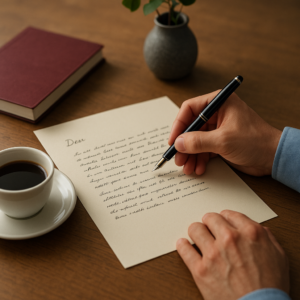
After the interview, send a short thank-you note that references a specific topic you discussed. This follows up your preparation with professionalism and keeps the conversation moving forward. Whether the result is an offer or another opportunity later, a calm and organized process will make each interview feel more manageable and far less intimidating.