
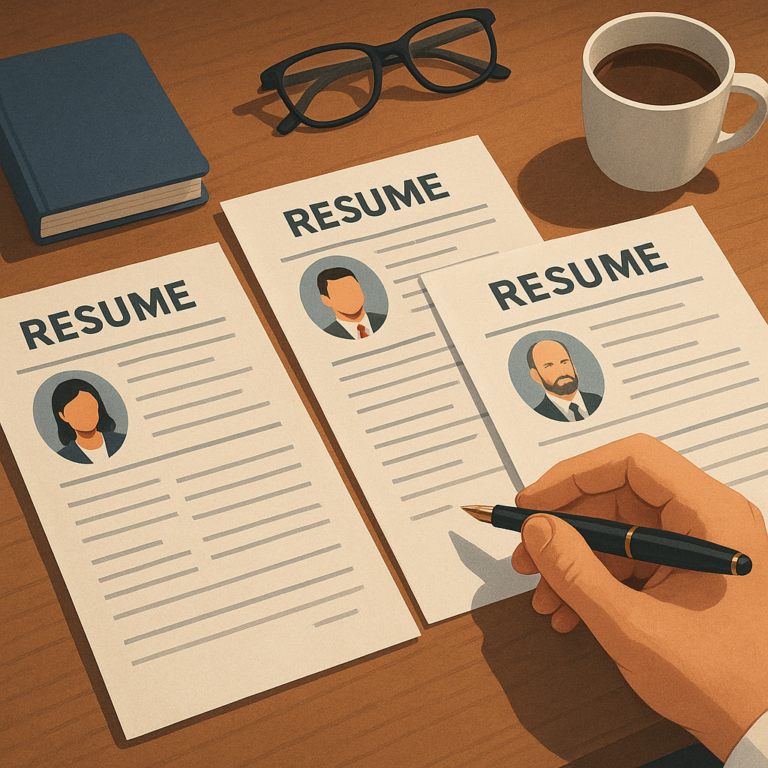
Choosing a resume template is easier when you start with your career stage, not with a random design trend. The best format highlights the strengths you already have and helps recruiters understand your value quickly. A polished template can make a first job search feel organized, a career change look intentional, and a long work history feel clear instead
of crowded. Instead of treating every resume as the same document, think about which details deserve the spotlight. Entry-level candidates usually need education, projects, and skills to stand out. Career changers often need a layout that redirects attention toward transferable experience. Senior professionals benefit from a structure that presents leadership, impact, and progression without overwhelming the page.
Chronological, Functional, and Hybrid Templates
The three core resume formats each solve a different problem. A chronological layout is the most familiar, listing jobs in reverse order and making it easy to see growth. A functional template shifts the focus to skills and accomplishments, which can help
when work history is uneven. A hybrid format blends both, giving you room to showcase capabilities while still preserving a clear timeline. For many applicants, chronological resumes remain the safest option because they match what hiring managers expect. Functional formats can
be useful, but they may also raise questions if they hide dates too aggressively. Hybrid templates often strike the best balance for modern applications, especially when you want to emphasize tools, achievements, or projects without losing the context of your experience.
Best Templates for Entry-Level Candidates
When you are early in your career, your resume should reduce empty space and increase proof of readiness. Choose a template with a strong skills section, a clear education block, and a place for internships, volunteer work, class projects, or certifications. Clean
spacing matters, but so does structure, because the layout should guide the reader toward potential rather than length of employment. Entry-level applicants should avoid templates that rely on a long job history to look complete. Instead, use sections that let you
show initiative and practical knowledge. If you have limited experience, a hybrid layout can be especially helpful because it brings skills near the top while still allowing you to list part-time roles, campus leadership, and project work in a logical order.
What to feature first
Put the most relevant proof near the top, such as technical skills, coursework, certifications, or a strong summary statement. If you have done any work that resembles the role you want, include it even if it was unpaid or temporary. Recruiters want evidence that you can contribute, so the template
Templates for Career Changers
should make those signals easy to notice within a few seconds. If you are switching industries, your resume has to tell a story about continuity, not just difference. A career change template should help you connect past responsibilities to future goals by highlighting
transferable skills, relevant results, and training. That means moving the most useful information upward and choosing wording that frames your background as an asset rather than a detour. Hybrid formats often work well for career changers because they let you group accomplishments by
capability. For example, leadership, client service, operations, or analysis can become the center of the page. Then your employment history can support those themes instead of dominating them. This approach helps employers see how your experience translates into the new role you want.
How to reduce friction
Use concise job titles, targeted summaries, and achievement bullets that mirror the language of the industry you want to enter. If you completed courses, earned credentials, or built portfolio projects related to the new field, give them visible placement. A template that supports these choices can make the transition feel purposeful, which improves confidence for both you and the reader.
Formats for Experienced Professionals
Experienced professionals need templates that communicate depth without looking cluttered. At this stage, the goal is not to prove you are capable in general; it is to show scope, leadership, and measurable results. A strong chronological or hybrid resume can present
promotions, major initiatives, and cross-functional impact in a way that feels authoritative and easy to scan. For seasoned candidates, the most effective templates usually allow enough room for a focused summary, a selective skills section, and a detailed work
history. The design should support clarity, not decoration. If the layout is too busy, it can distract from high-value achievements. If it is too sparse, it may waste the opportunity to display the progression that makes your experience compelling.
Industry-Specific Customization
Different industries reward different kinds of information, so a good template should adapt without losing readability. Creative fields may welcome a slightly more modern structure, while corporate roles often prefer conservative spacing and straightforward headings. Technical jobs may need room for tools, platforms, and certifications, whereas client-facing roles may benefit from results, metrics, and relationship-building examples. The key
is to match format to expectations without copying a rigid formula. A template for healthcare, education, finance, or design can all share the same core logic while emphasizing different sections. Ask whether the role values credentials, speed, problem solving, or presentation. Once you know that, you can choose a layout that makes the right information obvious to the first reviewer.
Quick Selection Guide
If your background is limited, choose a hybrid template that puts skills and education near the top. If you are changing fields, choose a format that highlights transferable strengths and minimizes confusion. If you have years of steady progress, choose a chronological layout
that showcases advancement and results. In every case, the best template is the one that makes your strongest evidence easiest to read. Before you commit, preview the resume on screen and in print. Check whether the headings are clear, whether the spacing
supports fast scanning, and whether the most important details appear within the first third of the page. A thoughtful template does more than look polished. It helps your story make sense, which is the real advantage when you are competing for attention.